Tarun Karthick
Sri Vijaya Puram, 02 November 2025
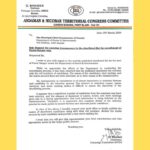
On 30th October 2025, Mr. Bishnu Pada Ray, Member of Parliament representing the Andaman and Nicobar Islands, wrote a letter to the Lt. Governor of Andaman and Nicobar Islands, with copies sent to the Union Home Minister and the Prime Minister. The letter was about the illegal sale of liquor in shops, gumties, and other unauthorised outlets.
The problem raised by the MP is grave and true for all inhabited corners of the Andaman and Nicobar Islands — from Diglipur Tehsil in the North to Campbell Bay Tehsil in the South. Illicit liquor has become a menace to society in almost all parts of the Islands, and the problem is becoming graver with each passing day.
The sale of illicit liquor is fuelling addiction not just among adults but also among minors. It is causing health-related deaths and may also be contributing to the rising number of suicides in the Islands.
Illicit liquor is making criminals rich and the poor population even poorer. However, this is not a new issue in the Islands; it has existed for decades. It is high time that it is dealt with with utmost seriousness and that the menace is eradicated once and for all so that the population of the Islands does not suffer anymore.
What the Actual Problem Is –
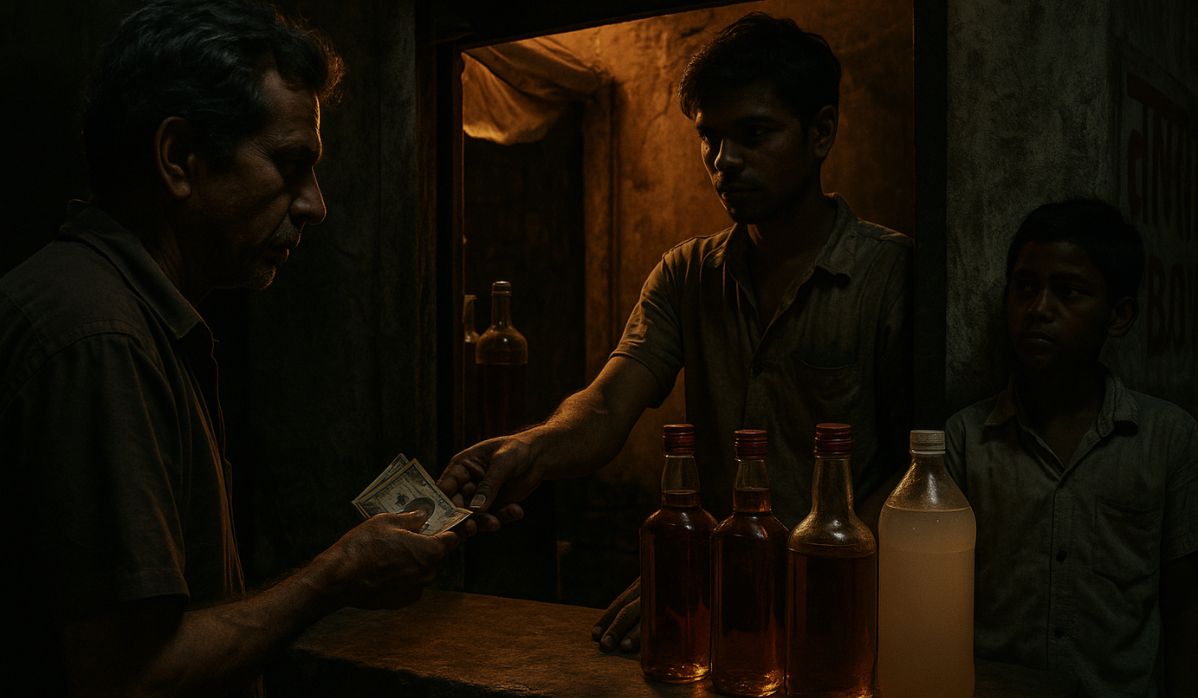
The sale of liquor from unauthorised shops and homes is prevalent in all parts of the Islands, from Diglipur to Campbell Bay. The liquor sold can be categorised into two different classes — IMFL and country-made liquor. The presence of such unauthorised shops and homes selling liquor is no secret. The local population is well aware of them, and even law enforcement authorities in these areas have complete knowledge of the activities in those shops and homes.
Why Do People Buy from Unauthorised Shops and Homes When Bars and ANIIDCO Liquor Vends Are Available?
There isn’t a single answer as to why people prefer buying and drinking alcohol from illicit liquor shops and homes when licensed ANIIDCO liquor stores and bars are available. However, the answer can be summed up in one word — convenience. Convenience, however, means different things to different people.
- These unauthorised shops and homes selling liquor are located right next door, whereas authorised bars and shops are located at a distance.
- Unauthorised shops and homes provide liquor on credit, while in authorised shops and bars, payment has to be made immediately. They also offer flexible payment plans such as weekly, fortnightly, or monthly instalments. Some even keep signed cheques from consumers as security.
- Unauthorised liquor sellers are usually available from early morning (as early as 2:00 AM) until late at night, whereas licensed shops and bars have fixed hours and cannot sell liquor early in the morning.
- In places where there are no bars, liquor is not available through licensed shops in packs preferred by the consumer. For example, their preferred brand may not be available in a 90 ml pack, and the available large bottle might be too costly to afford at once.
- Some consumers are addicted to country-made liquor, which is not manufactured under supervision and may contain higher levels of alcohol than IMFL. Such liquor is only available through unauthorised shops and homes.
- Minors are refused alcohol in licensed bars and liquor shops, but illegal shops and homes sell liquor to them freely.
- There is often unavailability of liquor in authorised shops for prolonged periods in remote areas like Campbell Bay due to transportation delays.
- Tribal areas of the Islands (all Islands except Great Nicobar in the Nicobar District), as well as Baratang in the North and Middle Andaman District (due to buffer zone restrictions) — do not have authorised bars and liquor shops. People in these areas have no option but to depend on illegal liquor sellers. In the Nicobar District, most people consume Jungli Daru (country-made liquor), which is available almost everywhere. Nariyal Taari (coconut toddy) and Handiya (rice beer) are also widely consumed illegal options in such areas.
What Are the Effects of the Prevalence of Illegal Liquor?
The prevalence of illegal liquor shops and homes has many direct and indirect detrimental effects on society:
- It has fuelled chronic addiction among many, to such an extent that some individuals have not remained sober even for a minute in years.
- It has caused alcohol-related deaths due to various diseases.
- It has increased mental health issues across the Islands and is a major contributor to the high suicide rate.
- It has created rifts in families and destroyed many homes.
- It has reduced the economic strength of families and pushed many into extreme poverty.
- It has contributed to a rise in crime across society.
- It has led to widespread alcohol addiction among minors across the Andaman and Nicobar Islands.
- It has led to the rise of criminals who, in many cases, have gained political influence by getting their relatives or favoured candidates elected in local body elections using the illicit money earned through illegal liquor sales.
- In some cases, illicit liquor sellers have themselves become politicians and now hold significant clout in political parties.
- It has negatively affected regional politics, where alcohol has become a major inducement for voters during elections.
- It has destroyed individual lives, as many chronic addicts contribute nothing economically or socially and spend their days only consuming alcohol.
- It has negatively affected the economy, as illicit money earned from this trade does not enter legal circulation and only increases the illicit wealth of criminals.
- It has increased corruption in several departments, as many officials are bribed by criminals to allow them to run their illegal liquor operations comfortably.
- It has created numerous problems for the families of addicts and for society as a whole.
Challenges in Curbing the Illicit Liquor Issue in Andaman and Nicobar Islands –
While there are many challenges, the following are the main obstacles in addressing the illicit liquor issue in the Islands:
- Corruption of ANIIDCO Staff Fuelling Supply of Illicit IMFL:
The corrupt collusion of ANIIDCO staff working at licensed shops with criminals selling illicit liquor is one of the main reasons why the supply to these illegal vendors remains consistent and unrestricted. ANIIDCO staff at liquor shops regularly supply large quantities of IMFL to illegal sellers in exchange for handsome commissions. This practice is prevalent in almost all areas where ANIIDCO has retail outlets. They have devised various strategies to avoid detection. Many times, popular low-cost brands are not sold in shops but supplied exclusively to illegal vendors. This connection between ANIIDCO staff and illicit sellers is one of the key reasons illegal liquor is consistently available, even in remote areas where authorised shops face shortages. - Corruption in the Police:
Almost every police station has a few corrupt officers who facilitate illegal liquor sellers. The extent of the trade depends largely on the leadership of each station. If leadership is corrupt, the trade is open and rampant. If leadership is strict, it becomes silent and limited but rarely stops. Even under honest officers, lower-level staff often tip off sellers about raids or assist them in exchange for bribes. - Corruption in Local Administration:
Along with the police, the local administration also plays a crucial role. In some areas, the sale of illicit liquor is open and rampant under certain Assistant Commissioners, while in others, it is more discreet. Though such incidents rarely surface publicly, they are well known in political circles, where certain officials are believed to accept bribes from illicit liquor sellers. - Strategies Devised by Criminals Over Time:
Over time, illegal liquor sellers have become sophisticated and developed several strategies to avoid criminal action. They now employ proxies who agree to have cases registered against them in exchange for small sums of money or a regular liquor supply. These proxies often appear as the accused in police records, allowing the real culprits to remain free. In some cases, police collusion results in regular FIRs against these proxies to create an illusion of enforcement. Sellers also use distributed storage systems, keeping only legally permissible quantities in their main premises and hiding larger caches nearby. - Availability of Unemployed Addicts Ready to Facilitate Supply and Trade:
Many unemployed addicts are willing to buy liquor from authorised ANIIDCO shops in legally permissible quantities and supply it to illicit sellers in exchange for small amounts of liquor for their own consumption. - Availability of Unemployed Manpower Facilitating Supply:
In several areas, some individuals — including women — have turned this into a business, purchasing liquor from ANIIDCO shops and supplying it to illegal sellers for profit. This helps sellers maintain supply while avoiding the risk of being caught transporting large quantities. - Production of Country-Made Liquor in Forests and Hard-to-Reach Areas:
While IMFL supply is limited and regulated, country-made liquor is a different challenge altogether. It is often produced deep inside forests or remote areas where it is hard for law enforcement to reach. Although raids have destroyed many manufacturing units, new ones are quickly established due to low costs and high profits. - Policy Paralysis:
The Andaman and Nicobar Police still rely on colonial-era laws to prosecute crimes related to illicit liquor. These laws prescribe weak punishments, allowing criminals to continue offending even after multiple prosecutions. The lenient penalties also encourage the use of proxies. Although the Andaman and Nicobar Excise Regulation, 2012 exists, police have not been delegated powers under it to prosecute offenders.
What Can Be Done to Reduce and Eventually End the Menace of Illicit Liquor?
While honest policing is often seen as the solution, it alone cannot end the menace. A comprehensive, multi-layered strategy is required, which may include the following:
- Curbing the Supply from the Source:
The supply of IMFL to illegal sellers must be controlled at its origin — ANIIDCO retail outlets. These outlets should be converted into member-only stores. Anyone wishing to purchase liquor must become a registered member, with biometric authentication to prevent duplicate memberships. Liquor sales should be tracked digitally, and data shared with police to identify members purchasing permissible but unusually large quantities regularly. Data should also be shared with NGOs and health departments to counsel and assist those consuming excessive amounts of liquor. - Change in Policy:
The necessary powers to register cases under the Andaman and Nicobar Excise Regulation, 2012 should be delegated to the police so they can prosecute offenders under a stronger legal framework instead of lenient colonial-era laws. Further amendments should also be made to make the law more stringent for those dealing in illegal liquor. - Reporting Mechanism for Citizens and Incentives for Credible Information:
An online reporting system should be developed for citizens to confidentially report illicit liquor sales. It must be handled at the highest levels of the police, ensuring no leakage of informers’ identities. Informants providing credible information should be rewarded with a pre-announced monetary incentive. - Mechanism to Detect Sale of Commodities Used in Manufacturing Country-Made Liquor:
Country-made liquor is typically produced using sugar, jaggery, and active dry yeast. The sale of these commodities should be monitored through simple, compulsory reporting by shopkeepers. Analysing this data can help detect and curb supplies to illegal manufacturers. - Continuous Monitoring and Plugging of Loopholes:
Continuous monitoring of the situation and timely plugging of loopholes are essential to ensure the menace of illegal liquor is completely eradicated from the Islands.