Sri Vijaya Puram | January 04, 2026
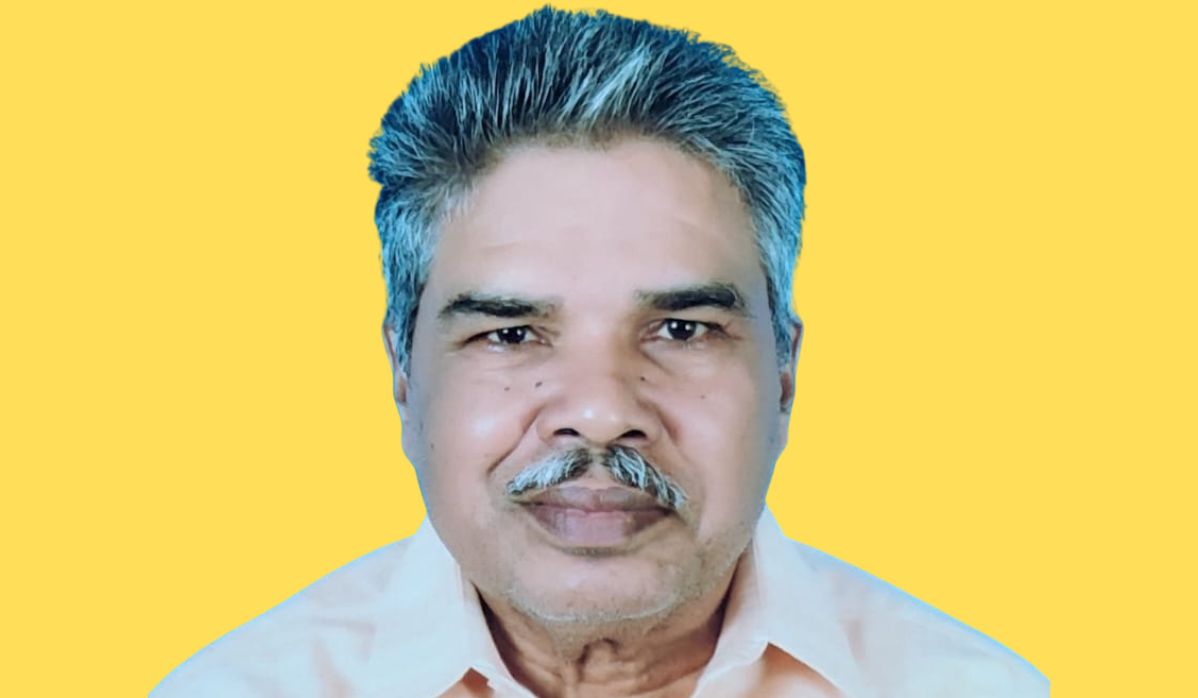
Dr. M. Muruganandam, Principal Scientist and Officer-in-Charge (PME & Knowledge Management Unit) at ICAR–Indian Institute of Soil and Water Conservation (ICAR–IISWC), Dehradun, has assumed charge as Head of the Fisheries Science Division at the ICAR–Central Island Agricultural Research Institute (ICAR–CIARI), Sri Vijaya Puram, with effect from December 31, 2025.
The transition marks a significant shift from the Himalayan agro-ecosystems of Uttarakhand to the fragile island and coastal ecosystems of the Andaman & Nicobar Islands and the Bay of Bengal. With nearly three decades of experience in scientific research, institutional development and community engagement, Dr. Muruganandam’s induction is expected to strengthen ICAR–CIARI’s work in fisheries, island agriculture and ecosystem-based development.
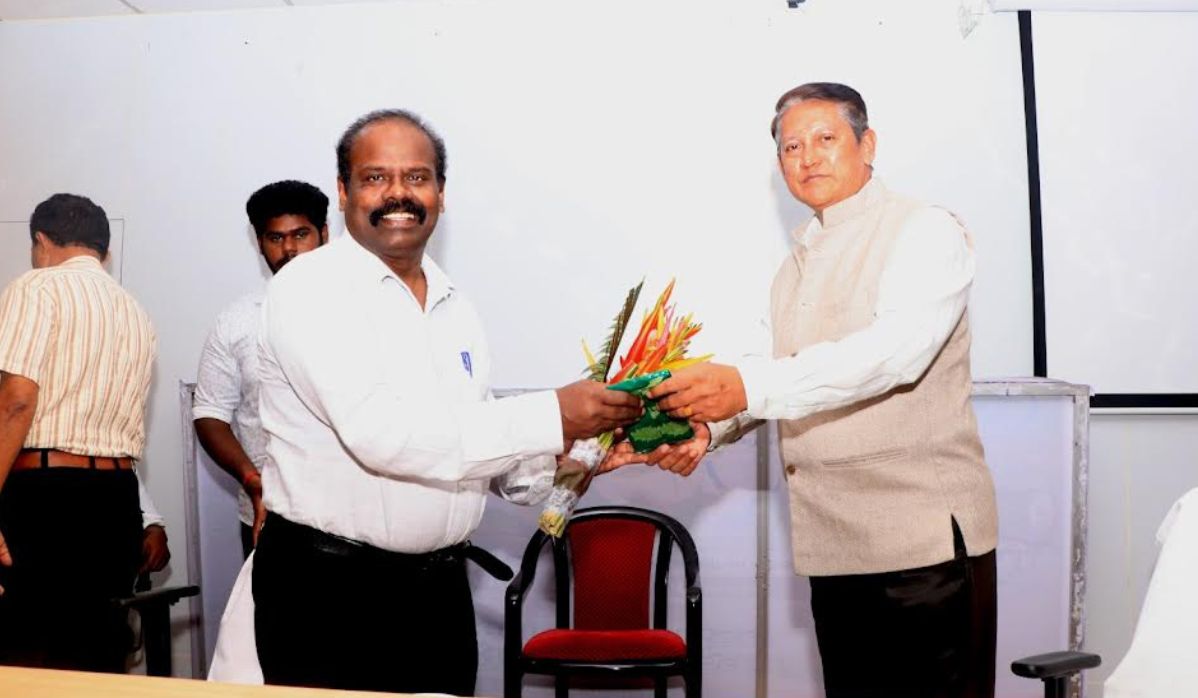
Dr. Muruganandam was welcomed by Dr. Jai Sundar, Director, ICAR–CIARI, along with Heads of Divisions, scientists and staff of the Institute.
Joining ICAR in 1996, Dr. Muruganandam has built a distinguished career at ICAR–IISWC, Dehradun, where he made significant contributions to natural resource management, watershed development, fisheries and livestock-based livelihoods, and ecosystem resilience. He played a pioneering role in integrating fisheries, aquaculture and livestock-based micro-enterprises within watershed management programmes, bringing national visibility to fisheries within soil and water conservation initiatives.
His work has resulted in the development of more than ten fisheries- and livestock-based production technologies and livelihood models, benefitting tribal communities, women farmers, landless households and other resource-poor groups. Through extensive research and outreach, his initiatives have reached over one million stakeholders, promoting awareness on indigenous knowledge systems, traditional fishing practices, riverine resource governance, biodiversity conservation and sustainable ecosystem management.
Between 2016 and 2018, Dr. Muruganandam served as a Visiting Scientist at South Dakota State University, USA, where he undertook advanced geospatial analysis of land-use and land-cover changes and their impacts on wetlands and water quality, adding an international dimension to his research profile.
In addition to his research contributions, he has held several leadership and administrative roles at ICAR–IISWC, including Vigilance Officer, Enquiry Officer, Nodal Officer for Press and Media, Member of the Internal Complaints Committee, Chairman for digital outreach, and Officer-in-Charge of the PME & KM Unit. He has coordinated around 25 national and international conferences, participated in over 100 scientific forums, and received more than 30 fellowships, awards and research grants, including the prestigious Fulbright Fellowship.
At ICAR–CIARI, Dr. Muruganandam is expected to play a key role in strengthening marine and coastal fisheries research, island farming systems, freshwater ecosystem studies, biodiversity conservation and climate-resilient livelihood models tailored to island and coastal regions.
Speaking on the occasion, Dr. Muruganandam said that his move to the islands represents a continuation of his lifelong commitment to natural resource conservation and fisheries development, particularly in fragile ecosystems and among underserved communities.
He has outlined a vision for building strong partnerships with national and regional institutions such as the National Institute of Ocean Technology (NIOT), Zoological Survey of India (ZSI), Rajiv Gandhi Centre for Aquaculture (RGCA), National Institute of Oceanography (NIO), Indian Council of Medical Research (ICMR), the Forest Department and other local line departments, in addition to universities, NGOs and community-based organisations. He also emphasized close collaboration with sister ICAR institutes, including ICAR–CMFRI, ICAR–CIBA and ICAR–NBFGR.
Through these collaborative efforts, Dr. Muruganandam aims to position the Andaman & Nicobar Islands as a model for sustainable, climate-resilient and inclusive coastal and island development.