Sri Vijaya Puram | February 19, 2026
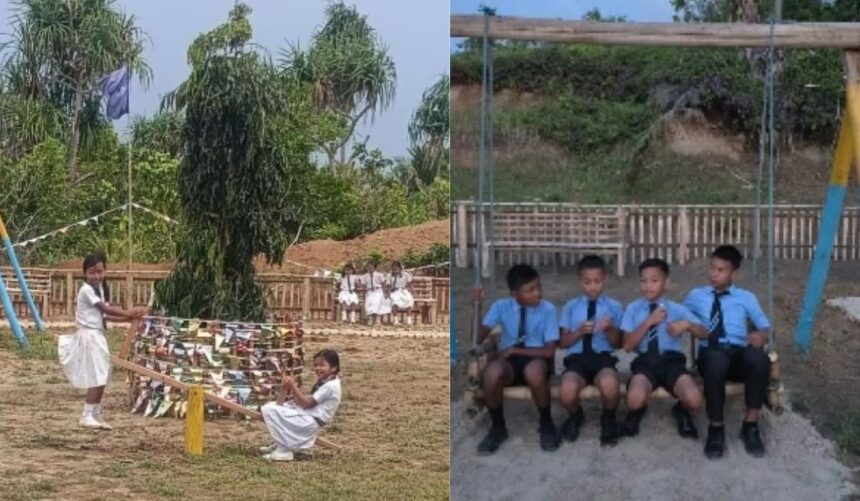
A traditional eco-friendly Children’s Park-cum-Fitness Track constructed under the flagship programme of the Ministry of Rural Development, Government of India – VB-G RAMG scheme, was formally inaugurated and dedicated to public service at Pilpillow village in Nicobar district.
The facility was inaugurated by Mr. Aditya Sangotra, Assistant Commissioner, Nancowry, in the presence of Mr. Mohammed Yunus M., Senior Programme Officer-cum-Block Development Officer, Nancowry, Mr. Tanveer Hussain, First Captain, and Headmen of Pilpillow village. The project was sanctioned and executed under the overall supervision of Mr. Amit Kale, IAS, Deputy Commissioner, Nicobar Islands.
Pilpillow, a remote village situated about 31 km from the administrative headquarters under the Kamorta Tribal Council, had long lacked basic recreational amenities for children. Recognising the need for a dedicated play area, the Administration conceptualised the project to create a traditional-style, eco-friendly recreational space. The initiative was implemented under the employment guarantee programme, generating livelihood opportunities for local residents while creating a durable community asset.
Constructed at a cost of Rs. 2,99,049, the project generated 809 mandays of employment. Developed using locally available eco-friendly materials and incorporating traditional design elements, the park aims to provide a safe and engaging space for children and promote healthy lifestyles among tribal residents.
Addressing the gathering, the Assistant Commissioner said the initiative reflects the Administration’s commitment to grassroots development, environmental sustainability, and inclusive public infrastructure. He urged community members to maintain the facility properly to ensure its long-term benefit.
Community representatives expressed appreciation for the creation of a shared recreational and fitness space, noting that it would strengthen social cohesion and promote well-being in the village.
The project stands as an example of collaborative local governance and effective implementation of rural employment schemes in creating sustainable, community-oriented assets in remote areas.