Sri Vijaya Puram | June 19, 2026
In a significant step towards strengthening tribal livelihoods and improving nutritional security, the Department of Animal Husbandry and Veterinary Services (AH&VS), Andaman and Nicobar Administration, has launched a first-of-its-kind goat distribution programme for the Great Andamanese community residing in Strait Island.
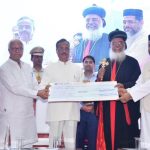
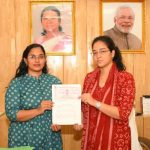
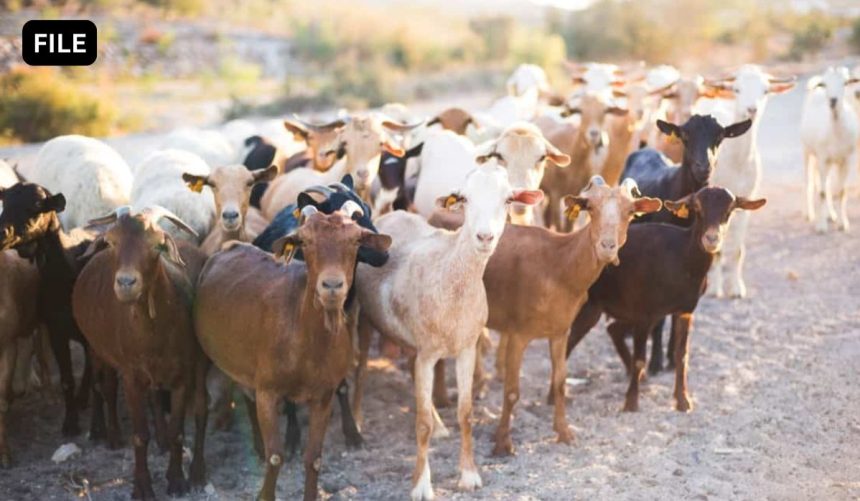
Under the initiative, 25 families belonging to the Particularly Vulnerable Tribal Group (PVTG) were provided two goats each under a 100 per cent subsidy scheme. The goats were formally handed over to the Tribal Welfare Department at the Livestock Farm Complex in Dollygunj on Thursday for onward distribution to the beneficiary families.
According to officials, this is the first time the AH&VS Department has implemented a comprehensive subsidy-based goat distribution programme exclusively for members of a PVTG community in the Islands. The scheme is aimed at enhancing livelihood opportunities, improving household nutrition, and encouraging goat rearing as a sustainable source of income among tribal families.
Goat rearing has been identified as a suitable livelihood activity due to the animals’ adaptability to local climatic conditions, relatively low maintenance requirements, and their potential to generate income through the sale of milk, meat, and offspring.
The Department of Animal Husbandry and Veterinary Services has been undertaking various livestock and poultry development programmes to promote the socio-economic empowerment of tribal communities across the Andaman and Nicobar Islands. Officials described the new subsidy scheme as a major milestone in these ongoing efforts.
The Tribal Welfare Department will oversee the distribution of the goats to eligible beneficiary families on Strait Island. The AH&VS Department has also assured continued technical guidance, veterinary care, and follow-up support to ensure the successful rearing of the animals and the long-term sustainability of the programme.