Sri Vijaya Puram | November 2, 2026
The Andaman & Nicobar Islands have achieved a significant milestone in livestock development with the birth of the first female calf produced through Embryo Transfer Technology (ETT), marking a major step forward in scientific cattle breeding in the Union Territory.
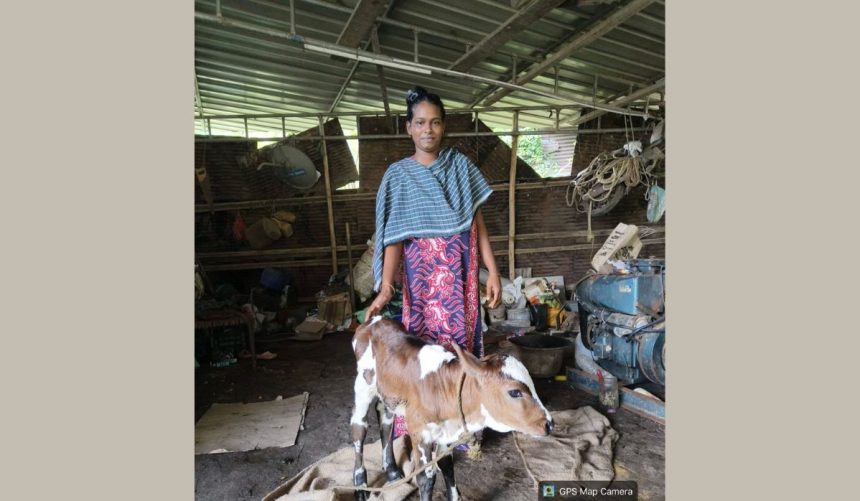
The calf was born on Nov. 1, 2026, under the jurisdiction of the Veterinary Hospital, Garacharma, to a cow owned by Ms. K. Priya, a resident of Kamraj Nagar. The Department of Animal Husbandry & Veterinary Services (AH&VS), Andaman & Nicobar Administration, stated that both the mother cow and the newborn calf are healthy, and the calving was normal.
The embryo transfer was performed on Feb. 10, 2026, and the pregnancy was confirmed on March 20, 2026. The newborn female calf weighs approximately 21.3 kg, based on measurements of its girth and length.
The successful birth marks the culmination of the first cycle of the ETT project, launched in the Islands earlier this year in collaboration with NDDB Dairy Services.
The project was initiated with the objectives of rapidly improving the genetic quality of local cattle, increasing the proportion of female calves, enhancing milk production potential and accelerating dairy development in the Union Territory. The first embryo transfers were carried out in February 2026, beginning with selected clusters in South Andaman.
According to the Department, the birth of the first ETT female calf demonstrates the successful application of the technology under island conditions and paves the way for the expansion of advanced reproductive techniques in the Islands.
The Department of AH&VS has congratulated the beneficiary farmer and the veterinary team involved in the successful embryo implantation, pregnancy monitoring and calving.
Officials have expressed hope that the achievement will encourage more livestock farmers to adopt scientific breeding practices, including Embryo Transfer Technology and Sex Sorted Semen, to improve milk yield and enhance returns from dairy farming.