Tarun Karthick
Sri Vijaya Puram, 13 October 2025
Repairing the Car Nicobar–Kamorta segment of the CANI submarine cable involves substantial costs, although the exact amount remains difficult to determine due to the unavailability of the maintenance contract between BSNL and the South East Asia and Indian Ocean Cable Maintenance Agreement (SEAIOCMA) in public domain. The tripartite agreement signed on November 13, 2020, between the Universal Service Obligation Fund (USOF), Bharat Sanchar Nigam Limited (BSNL), and the UT Administration of Andaman and Nicobar Islands outlines operation, maintenance, and funding responsibilities for the submarine cable connecting the islands to mainland India.
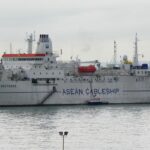
Under this agreement, BSNL is responsible for coordinating and executing repairs. The underwater portion of the cable, known as the wet plant, is maintained under a separate contract with SEAIOCMA. BSNL arranges and pays SEAIOCMA for technical fault restoration. The cable network was partially commissioned in August 2020 and fully commissioned by 30th September 2020, prior to the agreement signing. The tripartite agreement mentions a per-fault repair cost at approximately Rs. 14 crore; however, this figure serves only as an estimate for budgeting. Actual repair costs can vary based on the specific fault and charges invoiced by SEAIOCMA as per their agreement with BSNL. Generally, submarine cable faults are considered force majeure events, meaning BSNL is not penalized for such failures.
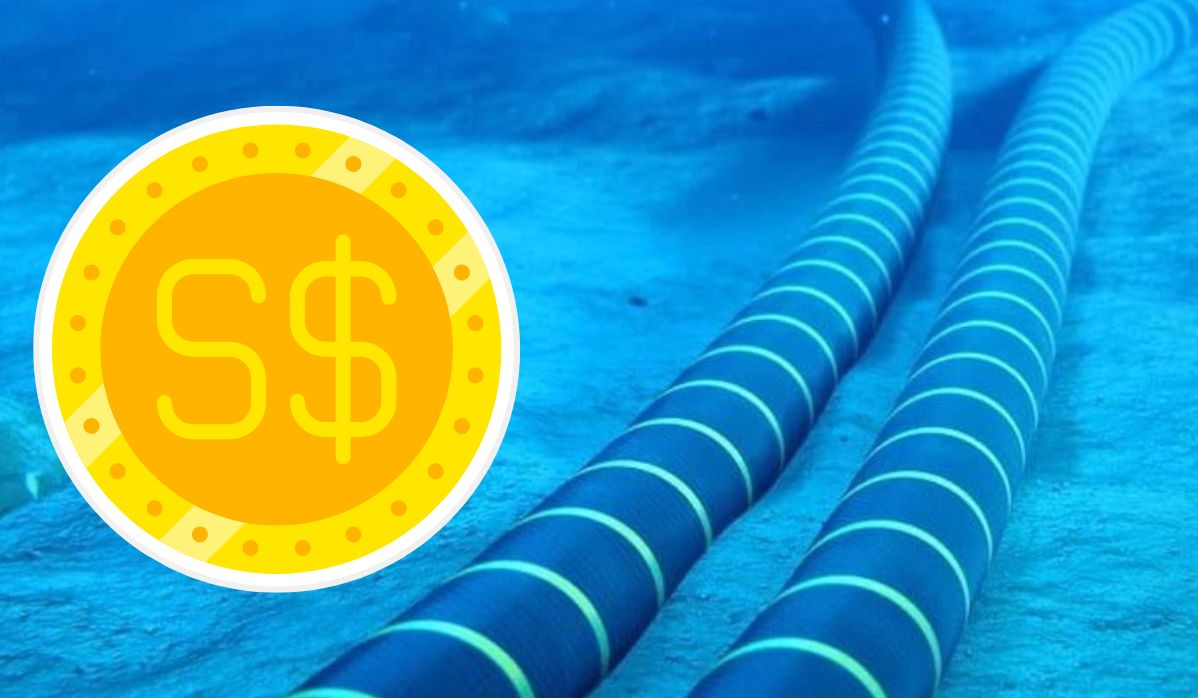
Maintenance costs are categorized into fixed and variable components. Fixed charges for wet plant maintenance are approximately Rs. 7 crore annually, based on information from the tripartite agreement. Variable costs depend on the actual number of faults and are billed accordingly. Assuming an average of 1.5 faults per year, the variable repair cost is projected at roughly Rs. 21 crore annually in the 2020 tripartite agreement. Variable charges are influenced by currency fluctuations, as payments to SEAIOCMA are made in Singapore Dollars (SGD), which have increased from around Rs. 51-55 in 2020 to Rs. 68.38 on 13th October 2025.
The financial sustainability of the CANI submarine cable network was supported through Viability Gap Funding (VGF) provided by the UT Administration of Andaman & Nicobar Islands. VGF covered the Net Operational Expenditure (Net OPEX) — the difference between total operational costs (including repairs, maintenance, manpower, power, and other recurring expenses) and revenue generated from leasing bandwidth and services. This funding mechanism was applicable for the first five years following the network commissioning.
This analysis is based on the initial tripartite agreement, which was valid for five years from commissioning. The current status of funding arrangements, including the applicability of VGF and any renewed agreements or extensions, remains unknown as such documents are not publicly available. While similar frameworks are expected to continue, the exact details and future funding obligations are unclear.
While the exact repair costs and ongoing funding arrangements remain unclear, this framework has so far ensured the operational and financial viability of the submarine cable network—a critical lifeline for the connectivity of the Andaman and Nicobar Islands.