Sri Vijaya Puram | October 6, 2026
An outbreak of disease among pigs has been reported in Car Nicobar over the past four weeks, with laboratory testing confirming the presence of Classical Swine Fever (CSF), the Department of Animal Husbandry & Veterinary Services (AH&VS) said in a public advisory.
Samples collected by the department were tested at designated laboratories on the mainland, confirming CSF. Previous outbreaks of the disease in the Union Territory were reported during 2000–2003.
Classical Swine Fever is a highly contagious viral disease affecting pigs. The department clarified that the disease does not infect humans, cattle or goats and poses no direct risk to human health. However, it can cause serious illness and deaths among pigs, potentially affecting the livelihoods of pig farmers.
The department has advised pig owners and farmers to take immediate precautions, including isolating sick or suspected animals from healthy pigs and using separate feeding and drinking containers. Farmers have also been urged to promptly report symptoms such as high fever, loss of appetite, diarrhoea, changes in skin colour, weakness or sudden deaths to the nearest Veterinary Officer or Senior Veterinary Officer. Even a single suspected case should be reported without waiting for further illness or deaths.
The department stated that there is no specific treatment for CSF, though supportive treatment may help save affected animals. Farmers have been advised to contact the nearest veterinary institution for appropriate care.
All eligible healthy pigs above six weeks of age should be vaccinated as advised by veterinary authorities. Farmers have been requested to extend full cooperation to departmental vaccination and surveillance teams.
The advisory also calls for regular cleaning and disinfection of pig sheds, feeding containers, equipment and footwear. Farmers should provide clean drinking water and hygienic feed, while maintaining records of animal purchases, movements, vaccinations, illnesses and deaths to support disease surveillance.
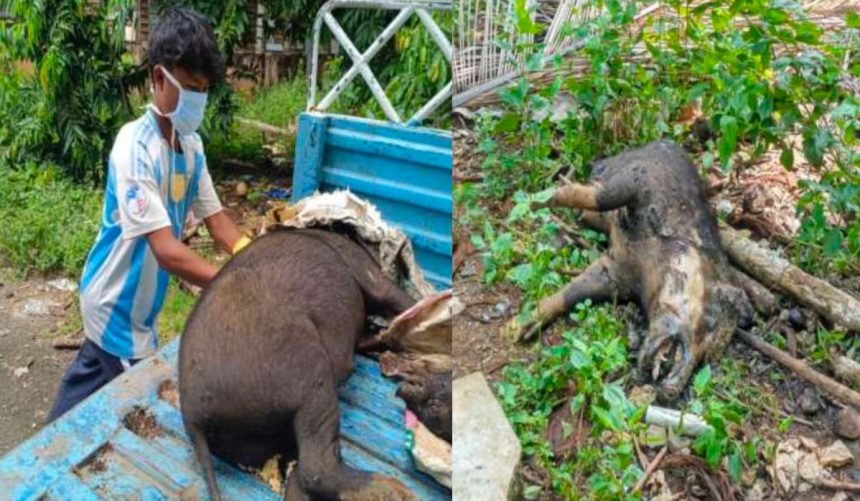
Deaths of pigs must be reported to veterinary staff, and carcasses should be disposed of through deep burial under veterinary guidance and in accordance with prescribed precautions. Newly purchased pigs should also be kept separately for observation for the period advised by the Veterinary Officer before being introduced into an existing herd.
The department has cautioned farmers against selling, transporting, exchanging or slaughtering sick or suspected pigs. Pigs, pork, carcasses, equipment and potentially contaminated materials should not be moved from affected or suspected premises without veterinary permission. Feeding pigs with uncooked kitchen waste or pork products should also be avoided.
Unnecessary entry into pig sheds should be restricted, and anyone entering such premises should follow appropriate cleaning and disinfection measures. Dead pigs must not be disposed of in open areas or water bodies, sold or used for consumption.
Veterinary teams will undertake surveillance, vaccination and sample collection for testing, and pig owners have been urged to cooperate with the departmental teams and report suspected cases promptly.
The department emphasised that early reporting and strict adherence to biosecurity measures are essential to protect pig herds and safeguard farmers’ livelihoods.
For assistance, farmers can contact the toll-free number 112 or the nearest Veterinary Institution for information, vaccination assistance and reporting of illness or deaths.