Sri Vijaya Puram | October 14, 2026
The Communist Party of India (Marxist) [CPI(M)] has urged the Election Commissioner for Union Territories to keep the revision of electoral rolls for the three-tier Panchayati Raj institutions and the Municipal Council in Andaman and Nicobar Islands pending until the Supreme Court examines issues relating to the appointment of Election Commissioners, the Special Intensive Revision (SIR) of electoral rolls and the revised Form 6.
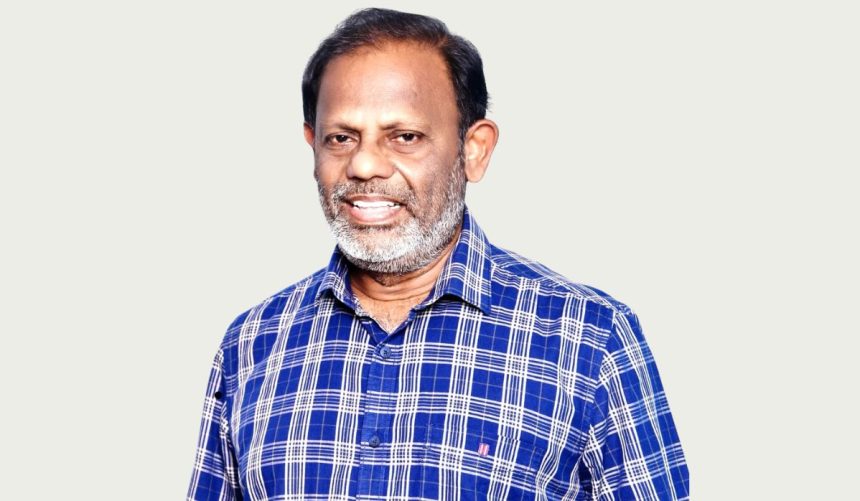
In a letter addressed to the Election Commissioner for Union Territories, D. Ayyappan, Secretary of the CPI(M) Andaman and Nicobar State Organising Committee, raised concerns over the proposed use of electoral rolls prepared following the SIR for the forthcoming Panchayat and Municipal Council elections in the Union Territory.
Ayyappan stated that elections to the Panchayati Raj institutions and the Port Blair Municipal Council were last held in March 2022. The names of elected members of the three-tier Panchayati Raj institutions were published through Gazette Notification No. 37 dated March 11, 2022, while the elected members of the Port Blair Municipal Council were notified through Gazette Notification No. 36 dated March 10, 2022.
He stated that the forthcoming elections are required to be conducted in accordance with the provisions of the Andaman and Nicobar Islands (Panchayat) Regulation, 1994, and the Andaman and Nicobar Islands (Panchayats) (Preparation of Electoral Rolls and Conduct of Elections) Rules, 1995.
Referring to Rule 17 of the 1995 Rules, Ayyappan pointed out that the relevant portion of the electoral roll for the Andaman and Nicobar Islands Parliamentary Constituency, prepared under the Representation of the People Act, 1950, and the rules framed under it, constitutes the electoral roll for members of the respective Gram Sabha.
According to the CPI(M), the Special Intensive Revision of electoral rolls for the Andaman and Nicobar Islands Parliamentary Constituency was conducted during 2025–26. The party stated that the constituency had 3,10,404 electors before the revision and that 64,014 electors, including 9,191 deceased persons, were excluded from the rolls following the exercise.
The party alleged that these exclusions took place despite opposition from political parties. It also referred to the ongoing legal challenge before the Supreme Court concerning the SIR process across the country, claiming that approximately 13 crore electors had been excluded from electoral rolls nationally.
Ayyappan further cited media reports regarding the reported cancellation of visits by the Chief Election Commissioner and other Election Commissioners to certain poll-bound States amid developments concerning the appointment of Election Commissioners and the validity of the SIR process. He also referred to the revised Form 6, used for including left-out and new electors, stating that its legality was under judicial scrutiny.
The CPI(M) expressed apprehension that the revision of electoral rolls for the Panchayati Raj institutions and the Municipal Council in the Union Territory, which it said was due, could be undertaken using the electoral rolls prepared through the SIR. The party also voiced concern that the procedure adopted for the inclusion of names in the parliamentary electoral rolls might be followed for the local body elections.
In its representation, the CPI(M) contended that adopting the electoral rolls prepared following the SIR during 2025–26 for the forthcoming local body elections would not be legally appropriate while the relevant issues remained under examination by the Supreme Court.
As an alternative, the party proposed that the electoral rolls prepared before the SIR be used as the basis for the mandatory revision ahead of the elections. It stated that this would help ensure that eligible voters whose names may have been deleted during the SIR exercise have an opportunity to exercise their franchise in the forthcoming Panchayat and Municipal Council elections.
The CPI(M) has accordingly sought that the electoral roll revision process for the local bodies be kept pending until the legal issues raised in its representation are examined by the Supreme Court.