Tarun Karthick
Sri Vijaya Puram, 09 November 2025
As the multi-billion-rupee Great Nicobar Island Project gains momentum, the Ex-Servicemen Settler Families of Great Nicobar Island — many of whom have lived on the island for over five decades — have raised several key demands regarding transparency, rehabilitation, and fairness in the process of land acquisition.
These families were originally settled in Great Nicobar under the Ex-Servicemen Rehabilitation Scheme from the year 1969, a national initiative launched to secure India’s southernmost frontier by encouraging retired defence personnel and their families to make the island their permanent home. Over the years, these settlers have built self-sustaining communities, contributing significantly to local governance, security, and the island’s socio-economic development.
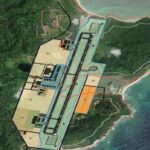
While the settlers express their full support for the government’s ambitious plan to transform Great Nicobar into a strategic and economic hub through components such as the Greenfield International Airport, Transshipment Port, Township, and Power Plant, they say the ongoing process has left them anxious and uncertain about their future.
According to the families, large portions of their lands in Gandhi Nagar, Shastri Nagar, and nearby settlements are marked for acquisition, yet authorities have provided no clear information about the extent of acquisition, compensation frameworks, or rehabilitation plans. They have demanded greater transparency, timely communication, and direct engagement with affected settlers.
Their major demands include:
Revision of Circle Rates: The settlers have sought a revision of land circle rates in Great Nicobar to align with those in rural South Andaman areas such as Wandoor, Jirkatang, and Wimberlygunj. They argue that the current circle rates are outdated and fail to reflect the actual market value, agricultural productivity, and local development achieved over decades. Fair compensation, they say, is impossible without updating these rates.
Fair and Adequate Compensation: The families want compensation to be based on the current market value, considering the land’s strategic location, fertility, and habitability. For those whose entire holdings are acquired, they have demanded comprehensive rehabilitation packages that include alternate land and guaranteed livelihood opportunities, ensuring no family is left landless or without means of income.
Allotment of Alternate Land within Great Nicobar: Settlers from Gandhi Nagar and Shastri Nagar — whose entire landholdings will be acquired for the airport project — have requested allotment of alternate land within the island itself, so they can continue their agricultural and domestic life. They believe this will ensure they remain part of the island’s future economy rather than being permanently displaced.
Employment or Capital Support: Most ex-servicemen families depend entirely on farming for livelihood. Once their land is acquired, they will lose their primary source of income. Hence, they demand that one member from each affected family be provided with a government job suitable to their qualification. Families without eligible candidates should be given capital assistance to start small businesses of their choice, ensuring livelihood continuity.
Enhanced Compensation for Plantation Crops: Many settler families cultivate coconut and arecanut, which are their main sources of income. The current compensation of ₹5,000 per coconut tree, they argue, covers only one year’s yield. Given a coconut tree’s productive life of around 70–100 years, they have demanded compensation of ₹3.5 lakh per tree, representing its full income potential over time.
Individual Houses Instead of Cluster Housing: Drawing from their post-tsunami experience, the settlers have stated that cluster housing causes severe hardship for agriculturists who need to stay close to their plantations. They have requested that new houses be constructed individually on their farmland or on newly allotted land, allowing them to maintain their agricultural lifestyle and independence.
The families have also called for the constitution of a high-level delegation comprising senior officials from both the Central and Union Territory Administrations to visit Great Nicobar, meet the ex-servicemen settler families, and directly assess their concerns. They pointed out that while visiting delegations often interact with tribal communities, the settler families are rarely consulted, which has created a sense of alienation.
These demands were prominently raised by the Ex-Servicemen Settler Families during the Social Impact Assessments conducted on Great Nicobar Island for various components of the project.
Reiterating their patriotism and support for India’s developmental vision, the families have emphasized that they are not opposed to progress but wish to be included as partners in development rather than passive bystanders. They have appealed to the government to ensure that justice, fairness, and empathy guide the implementation of this transformative national project.
The Great Nicobar Project is envisioned as a multi-component development programme designed to transform India’s southernmost island into a major hub of economic, strategic, and infrastructural importance. Spearheaded by the Andaman & Nicobar Islands Integrated Development Corporation (ANIIDCO) under the policy guidance of NITI Aayog, the project includes the development of an International Container Transshipment Terminal (ICTT) at Galathea Bay, a Greenfield International Airport, a Power Generation Facility, and a modern Township. Together, these elements aim to strengthen India’s maritime trade capabilities, enhance national security, and create new avenues of growth and employment in the islands.