Diglipur | April 18, 2026
Residents of Diglipur and adjoining areas in North Andaman are witnessing daily power interruptions as the Electricity Department has enforced a structured load shedding schedule to conserve water and sustain electricity generation from the Kalpong Hydro Electric Project (KHEP) until the end of May 2026.
The decision, outlined in an official circular issued by the Office of the Assistant Engineer (T&D), Electricity Department, Diglipur, came into effect from April 8, 2026. The department stated that with the onset of summer and rising electricity demand, it has become necessary to regulate supply in order to reduce stress on the grid and ensure continued operation of the hydro project.
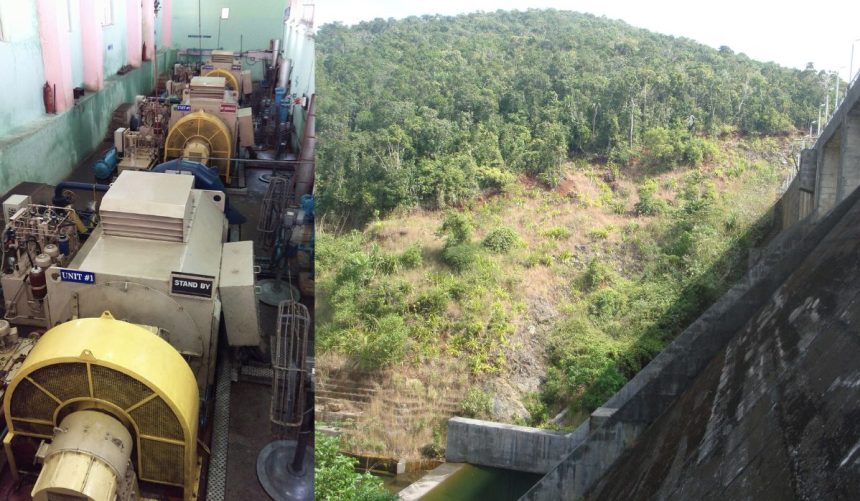
At present, KHEP is generating only about 1.2 MW with a single turbine in operation, while an additional 3.25 MW is being supplemented through diesel generator (DG) sets. Despite this combined effort, the available power remains insufficient to meet the growing demand across the region.
As per the detailed load shedding chart issued along with the circular, power cuts are being implemented in a rotational manner across feeders. Each feeder is scheduled for multiple interruptions spread across the day, primarily in 45-minute slots during morning and afternoon hours, along with longer 1-hour cuts during peak evening periods.
An analysis of the schedule indicates that most feeders are experiencing around four interruptions daily, translating to an average of approximately 3 to 4 hours of cumulative power cuts per day. The outages are staggered to distribute the burden evenly, ensuring that no single area faces continuous blackout, though residents must cope with repeated disruptions.
The Electricity Department has expressed regret over the inconvenience caused to the public, government offices, and institutions, stating that the rotational load shedding is a necessary measure to ensure optimal utilization of limited resources. It has also indicated that the schedule may be revised depending on demand patterns and the availability of generation from DG sets.
With no immediate improvement in water inflow expected, residents are likely to face continued power regulation in the coming weeks, as authorities attempt to carefully balance supply and demand until the onset of the next monsoon cycle.